


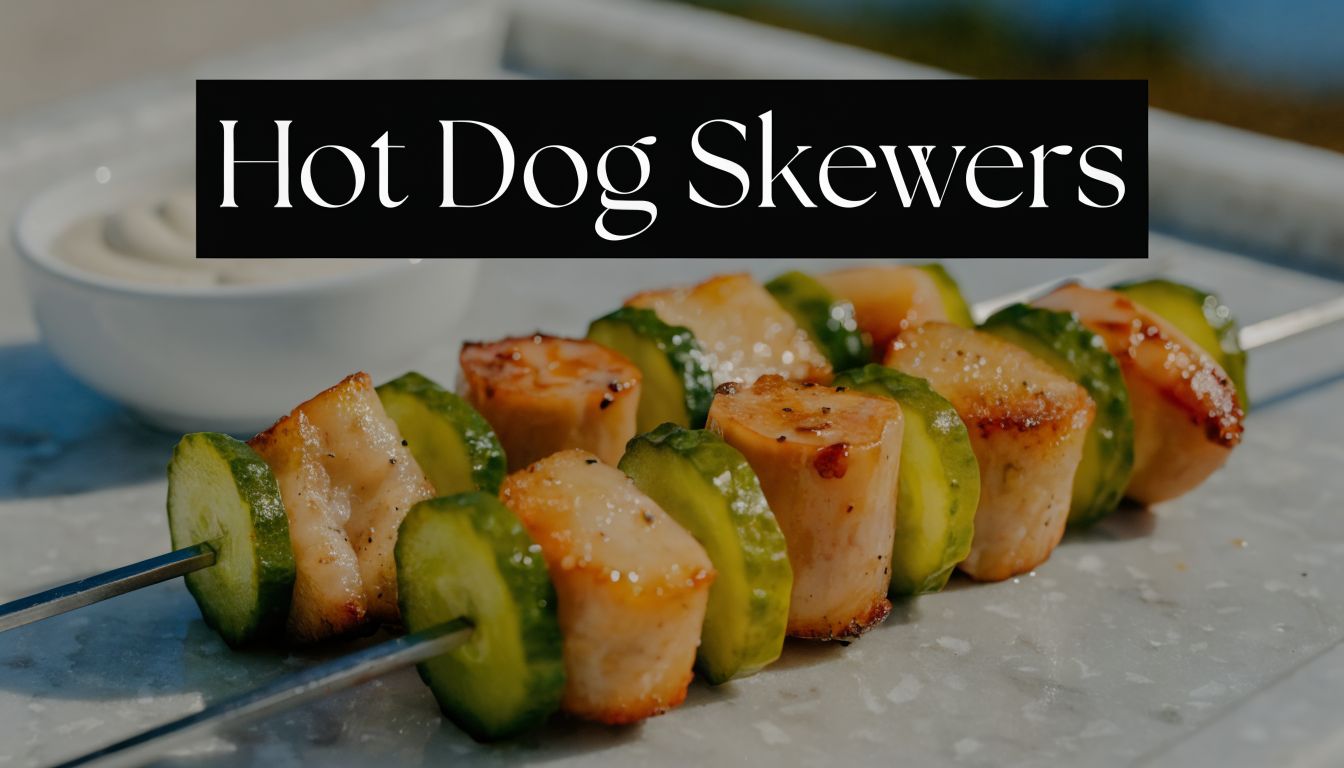
Dinner needs to happen fast. The kids are hungry, your sink is already half full, or you’re in a dorm room trying to make something more fun than another plain hot dog in a bun. That’s where hot dog skewers earn their keep.
They’re quick, easy to portion, and much more useful than they sound at first. A skewer turns a basic hot dog into something crisp on the outside, easy to dip, and simple to pair with peppers, onions, pineapple, zucchini, or even bacon if that’s your lane. In the air fryer, they cook without the mess of stovetop splatter or the wait of firing up a grill.
I’ve made enough batches to know that the small details matter. Cut sizes matter. Basket spacing matters. Skewer length matters. If your air fryer runs hot, that matters too. Get those parts right, and this becomes one of those back-pocket recipes you can lean on for lunch, snacks, party trays, and low-effort dinners.
Why Air Fryer Hot Dog Skewers Are Your Next Snack Obsession
You need a snack that cooks fast, feeds a few people without extra work, and still feels more fun than another plain hot dog on a plate. Air fryer hot dog skewers do that job better than they should.
The big win is texture. The hot dog pieces blister and brown on the edges, the vegetables soften without going watery, and the whole skewer is easy to grab, dip, and serve. For busy moms, that means fewer complaints at the table. For students, it means one appliance, quick cleanup, and no pan to scrub.
Air frying also solves a problem that shows up with skewers more than people expect. Different ingredients share the same stick, but they do not all cook the same way. A grill can dry out the hot dog before the onion softens. A skillet browns the bottom well, then leaves the top side needing more attention. In an air fryer, circulating heat reaches more of each piece at once, which gives you more even cooking with less babysitting.
That said, air fryer results are only as good as the setup. Basket-style models usually brown faster because the food sits closer to the heating element. Oven-style air fryers often need an extra minute or two and a tray rotation halfway through. That trade-off matters, and it is one reason these skewers are worth learning properly instead of treating them like a throw-everything-in recipe.
Why the air fryer beats the usual methods
The air fryer fits real life. It preheats quickly, contains grease better than a skillet, and handles small batches without making the kitchen feel like a project. That matters on weeknights, during after-school snack rushes, or when you are cooking in a small apartment.
It also gives you more control. You can cook two skewers for lunch or a full basket for a party tray. You can keep the seasoning simple or build in stronger flavors without worrying as much about flare-ups, uneven grill spots, or vegetables slipping through grates.
I keep coming back to hot dog skewers because they punch above their weight. They use inexpensive ingredients, but they do not eat like an afterthought.
They also scale well. Make them plain for picky eaters. Add peppers and onions for a quick dinner. Brush on barbecue sauce or mustard for a snack that feels planned instead of improvised. If you want more ideas built around that same practical, low-mess approach, the Air Fryer Snack Ideas blog is a good place to browse.
Your Step-by-Step Guide to Perfect Hot Dog Skewers
You get home hungry, the kids want something fun, or you need a cheap dinner that does not turn into a sink full of pans. Hot dog skewers solve that fast, but they only come out well if you build them for the air fryer instead of treating them like grill kebabs.
The goal is simple. Browned hot dogs, vegetables that still have some bite, and skewers that are easy to turn without pieces sliding all over.

What to use
Start with standard hot dogs and vegetables that cook in roughly the same window. Beef franks usually give the best color and hold together well. Turkey dogs work, but they can dry out faster, so keep an eye on them in the last couple of minutes. Plant-based dogs are fine too, though some brands split early and do better with slightly larger pieces.
For vegetables, stick with bell peppers, red onion, zucchini, and mushrooms. They cook quickly and fit the same skewer without turning the batch into a timing problem. Dense vegetables like raw potatoes or thick carrot coins are a bad match here unless you precook them first.
You only need a few tools: skewers, a knife, a cutting board, and the air fryer. If you want extra flavor, use a light coating of oil and a simple seasoning mix such as black pepper, garlic powder, paprika, or a thin brush of mustard. Heavy sweet sauces can scorch before the vegetables are done.
A dependable starter mix looks like this:
- Hot dogs: Cut into thick coins or short sections, about 1 to 1 1/2 inches long
- Bell peppers: Cut into square chunks close to the size of the hot dog pieces
- Red onion: Separate into petals, then trim any oversized pieces
- Zucchini: Slice into thick half-moons or chunks so they stay firm
- Optional seasoning: Light oil, garlic powder, black pepper, paprika, or mustard
How to build them so they cook evenly
Good skewers start at the cutting board. If the onion is twice the size of the zucchini and the hot dog pieces are tiny, the whole batch cooks unevenly. Keep everything close in size and you remove half the usual problems before the fryer even turns on.
Thread the pieces with a little space between them. Tight packing traps steam in the center, and that is the fastest way to get pale sides and soft peppers. A small gap lets hot air hit more surface area, which is what gives you better browning.
I get the most reliable results with a pattern like hot dog, pepper, onion, hot dog, zucchini, pepper, hot dog. A hot dog piece on each end helps anchor the skewer, especially when you turn it halfway through cooking.
Leave a little bare skewer at both ends so you can move them cleanly with tongs.
The air fryer method that works
Set the air fryer to 356°F (180°C). If your model benefits from preheating, give it a few minutes first. Basket air fryers usually respond well to preheating. Oven-style models are a little more forgiving, but they often need a minute or two longer once the skewers are inside.
Arrange the skewers in a single layer with visible space around each one. That spacing matters because it lets the hot air circulate properly, and in my own testing it was the difference between lightly browned skewers and ones with crisp edges all around.
Cook for 8 to 10 minutes, turning every 2 minutes if your air fryer has strong top heat, or at least once halfway through in gentler models. Busy cooks often want to set it and walk away, but these skewers reward quick check-ins. Two fast turns can fix most uneven browning before it becomes a problem.
If your basket is small, cook in batches. Overcrowding costs more time than it saves.
My foolproof sequence
Use this order for your first batch, especially if you are still learning how your air fryer runs:
- Cut evenly: Keep the hot dogs and vegetables close in size.
- Pat vegetables dry: Damp peppers and onions soften before they brown.
- Season lightly: A thin coat of oil is enough.
- Build with small gaps: Give each piece some exposure to the hot air.
- Place in a single layer: Do not stack or wedge skewers together.
- Turn on a schedule: Every 2 minutes for fast-cooking basket models, or once halfway for slower oven-style units.
- Check doneness by look, not just time: Browning and texture matter more than the timer.
If you want more air fryer timing ideas for quick snacks and small meals, the recipe collection at Air Fryer Snack Ideas is useful.
When they’re done
Look for browned edges on the hot dogs and vegetables that are tender but still holding their shape. Peppers should have a few blistered spots. Onions should be softened with some color at the tips. Zucchini should be cooked through without going limp.
If the hot dogs are done first, pull them off and give the vegetables another minute or two. If the vegetables are ready but the hot dogs need more color, return just the hot dog pieces to the basket. That small adjustment is one of the easiest ways to get a batch that tastes intentional instead of overcooked.
Skewer Selection and Safety Essentials
You load a batch, slide the basket in, and one skewer tip is already pressing against the side. That is how good hot dog skewers turn into fiddly hot spots, scorched ends, and awkward turning.
The skewer affects more than presentation. It decides whether the food sits flat, whether heat can move around it properly, and whether serving is easy once everything is hot. In air fryers, especially compact basket models, size and material matter more than many recipes admit.

Wooden versus metal
Wooden skewers are the easy choice for casual cooking. They are inexpensive, simple to trim with kitchen shears, and handy when you are feeding kids or sending snacks out to the patio. If a skewer gets too dark at the tip, you toss it and move on.
Metal skewers work better for repeat air fryer use. They pierce onions, peppers, and firmer vegetables cleanly, and they hold straight when you are packing ingredients a little tighter. The trade-off is heat. They stay hot longer, so turning and serving take more care.
Here’s the quick comparison:
| Skewer type | Best for | Upside | Watch out for |
|---|---|---|---|
| Wooden or bamboo | Parties, casual batches, kids’ servings | Disposable, easy to find, simple to trim | Needs soaking, exposed ends can darken |
| Metal | Repeat use, firmer ingredients, neat assembly | Strong, reusable, no soaking needed | Gets hot, may not fit small baskets well |
For most home cooks, I recommend bamboo for the first round and metal if you make skewers often.
The wooden skewer rule that saves headaches
Soak bamboo skewers before air frying. That one step cuts down on scorched ends and gives you a wider margin for error if your air fryer runs hot near the top coil.
An overnight soak is great, but it is not the only workable option. If dinner is already in motion, even 20 to 30 minutes in water helps. After soaking, trim any extra length so the tips do not sit too close to the heating element or push into the basket wall. That matters most in smaller drawer-style units, which cook harder and faster at the edges than many oven-style air fryers.
One more practical tip. Keep a container of soaked skewers in the fridge during busy weeks if you make quick snacks often, the same way you might keep ingredients ready for an air fryer bagel breakfast shortcut.
Fitting skewers to your air fryer
Test one empty skewer before you build the whole batch. It should lie flat without bowing upward or scraping the sides.
Basket models usually need shorter skewers, often snapped or cut down to size. Oven-style air fryers give you more length to work with, but the back corners can brown faster, so long skewers still need checking. In dual-zone models, measure both baskets. They are not always identical.
If your skewers barely fit, switch direction and lay them corner to corner. That small adjustment can be the difference between smooth airflow and a cramped batch that cooks unevenly.
Safer serving and smarter handling
A few habits make a big difference:
- Use tongs for turning: Hot dogs release juices, and slippery skewers are easy to drop.
- Leave a little handle space: Crowding food to the very end makes turning harder.
- Dull extra-sharp tips if kids are eating: A quick trim makes serving less stressful.
- Do not overload one skewer: Heavy skewers twist and roll instead of turning cleanly.
- Rest them for a minute before serving: The food holds better and the skewer is easier to handle.
For younger kids, pull the pieces off after cooking and serve them with dip. You still get the even cooking and easy prep, without handing over a pointed stick.
Beyond the Basic Hot Dog Skewer Variations
Once you’ve nailed the basic method, hot dog skewers become one of the easiest recipes to customize. This allows them to evolve from useful to memorable. You can lean sweet, smoky, spicy, lighter, or full-on comfort food depending on what’s in the fridge.

Flavor profiles that actually work
A Hawaiian-style skewer is one of the easiest wins. Pineapple browns at the edges, peppers stay bright, and the hot dog picks up that sweet-savory contrast really well. Keep the glaze light and add it near the end so it doesn’t darken too soon.
A Southwestern version is great when you want a little heat. Use peppers, onion, and a pinch of chili seasoning, then serve with something creamy on the side to balance it out. This one works especially well for game-day snacks because it tastes bold without being fussy.
Then there’s the bacon-wrapped route. It’s richer, obviously, but it gives you that cookout-style feel indoors. If you make this version, use the tighter wrapping approach and don’t crowd the basket.
Better options for lighter eating
Not every batch needs to feel heavy. That’s one reason hot dog skewers hold up so well across different diets. The plant-based hot dog market is growing 15% annually, and 40% of adults are seeking lower-sodium snacks. Turkey dogs can offer 45% less fat, making these skewers easier to adapt for lighter eating, based on this health-focused hot dog skewer discussion.
Good swaps that still cook well include:
- Turkey dogs: A practical option when you want a leaner skewer.
- Plant-based hot dogs: Best paired with vegetables that bring texture.
- Zucchini rounds: A useful swap when you want more vegetables and less processed meat.
- Mushrooms and peppers: They add bulk and flavor without making the skewer feel sparse.
If a lighter version feels boring, the problem is usually seasoning, not the ingredient choice.
Hot Dog Skewer Flavor Profiles
| Flavor Profile | Protein Suggestion | Fruit & Veggie Add-Ins | Glaze or Seasoning | Dipping Sauce Pairing |
|---|---|---|---|---|
| Classic Combo | Beef hot dogs | Bell pepper, red onion | Mustard, garlic powder, black pepper | Yellow mustard or cheese sauce |
| Hawaiian Twist | Turkey dogs | Pineapple, red pepper, red onion | Light teriyaki-style glaze | Sweet mustard |
| Southwestern Kick | Beef hot dogs or chicken sausage | Jalapeño, bell pepper, onion | Chili seasoning | Creamy chipotle-style dip |
| Veggie-Forward | Plant-based hot dogs | Zucchini, mushrooms, peppers, onion | Smoked paprika and garlic | Dairy-free ranch-style dip |
| Breakfast Style | Chicken sausage or hot dog | Mini waffle pieces, peppers | Maple-mustard brush | Mild mustard dip |
Dips and pairings that pull everything together
Dips matter because hot dog skewers are all about quick bites. A plain mustard is always welcome, but there’s room to branch out. Honey-mustard style sauces work with sweeter builds. Creamier dips help when the skewer has spice. Tangy ketchup-based dips fit classic versions.
If you like easy snack projects, pairing these skewers with another low-effort air fryer comfort food like a bagel in the air fryer can turn a casual snack board into something that feels intentional without extra work.
My favorite approach is to build one safe batch and one interesting batch. Keep one tray familiar for kids or picky eaters, then use the second batch to try pineapple, jalapeño, or a new glaze. That way dinner still works even if your experiment isn’t your best one yet.
Troubleshooting Your Hot Dog Skewers
A lot of people assume air fryer recipes fail because they picked the wrong ingredients. More often, the issue is the machine. Basket depth, fan strength, rack position, and skewer length all change the result.
That matters because air fryer use keeps growing. Air fryer ownership grew 25% year over year and searches for “air fryer hot dog skewers” rose 180%, while cooks still run into fit and uneven-cooking problems in compact 5 to 6 qt models, according to this air fryer hot dog skewer trend note.

Common problems and what fixes them
If your vegetables are still too firm while the hot dogs are already browned, the cuts are probably too large. Dense vegetables need either smaller pieces or a brief head start. Onion petals and pepper chunks should be bite-size, not grill-skewer huge.
If the skewers look pale and soft, crowding is usually the reason. Air fryers need open space around food. If two skewers are touching side by side, those touching surfaces won’t brown well.
Here are the fixes I use most:
- Veggies too raw: Cut smaller, especially peppers and onion.
- Hot dogs splitting too much: Lower the heat slightly or shorten the cook time.
- Soggy exterior: Dry ingredients well and avoid overloading the basket.
- Skewers awkward to turn: Leave some bare handle space at the ends.
- Sauce burning: Add glaze near the end instead of at the beginning.
Adjusting for different air fryer styles
Compact basket models need smaller batches. That’s not a flaw. It’s just how you keep airflow strong. Shorter skewers or half-length skewers often work better than trying to force long ones into a tight basket.
Oven-style air fryers have a different challenge. Food can brown faster on the side closest to the fan or upper heating area. In those machines, rotate the tray or change rack position if one side colors faster.
Don’t force one “universal” air fryer recipe onto every machine. Good results come from small adjustments, not stubbornness.
A quick diagnostic check
When a batch goes wrong, ask these three questions before changing everything:
- Was the basket crowded?
- Were the ingredient pieces similar in size?
- Did the skewers fit the machine comfortably?
Usually one of those answers explains the problem.
Storing and Reheating for Perfect Leftovers
Hot dog skewers reheat better than is often assumed. The trick is not storing them like a finished party platter. If you want the leftovers to stay appealing, take a minute to handle them properly before they go in the fridge.
How to store them without ruining the texture
I prefer removing the cooked pieces from the skewers before storing. They fit containers more easily, and the vegetables don’t get pressed awkwardly against each other. If you want to keep the skewers intact, use a shallow container so they lie flat.
Let the food cool slightly before sealing it up. If you pack it steaming hot, trapped moisture softens the outside and makes reheating harder. Keep sauces separate if possible. That prevents the surface from getting soggy overnight.
A simple storage routine works best:
- Separate components if needed: Especially if one vegetable is softer than the rest.
- Use a shallow container: It helps the pieces cool and stack more neatly.
- Keep dips on the side: Add them later, not before storing.
Best way to reheat
Skip the microwave if you care about texture. It warms the food, but it softens the edges and can make the vegetables feel tired. The air fryer brings the outside back to life much better.
Put the leftovers back in a single layer and heat just until warmed through. You’re not trying to recook them. You’re trying to refresh the browned edges and take the chill off the center. If you removed the pieces from the skewer for storage, that’s fine. They’ll still reheat well spread across the basket.
The leftover upgrade move
Leftover hot dog skewer pieces are useful beyond round two of the same meal. Tuck them into a bun, chop them into scrambled eggs, or toss them over roasted potatoes. The peppers and onions already carry flavor, so they work nicely in next-day meals.
That’s why this recipe stays in regular rotation. It’s easy on the front end, flexible in the middle, and still useful the next day. For busy moms, students, and anyone learning their air fryer, that kind of recipe earns a permanent spot.
If you want more practical air fryer snack ideas that are simple, fast, and written for real-life kitchens, visit airfryersnackideas.com.
