


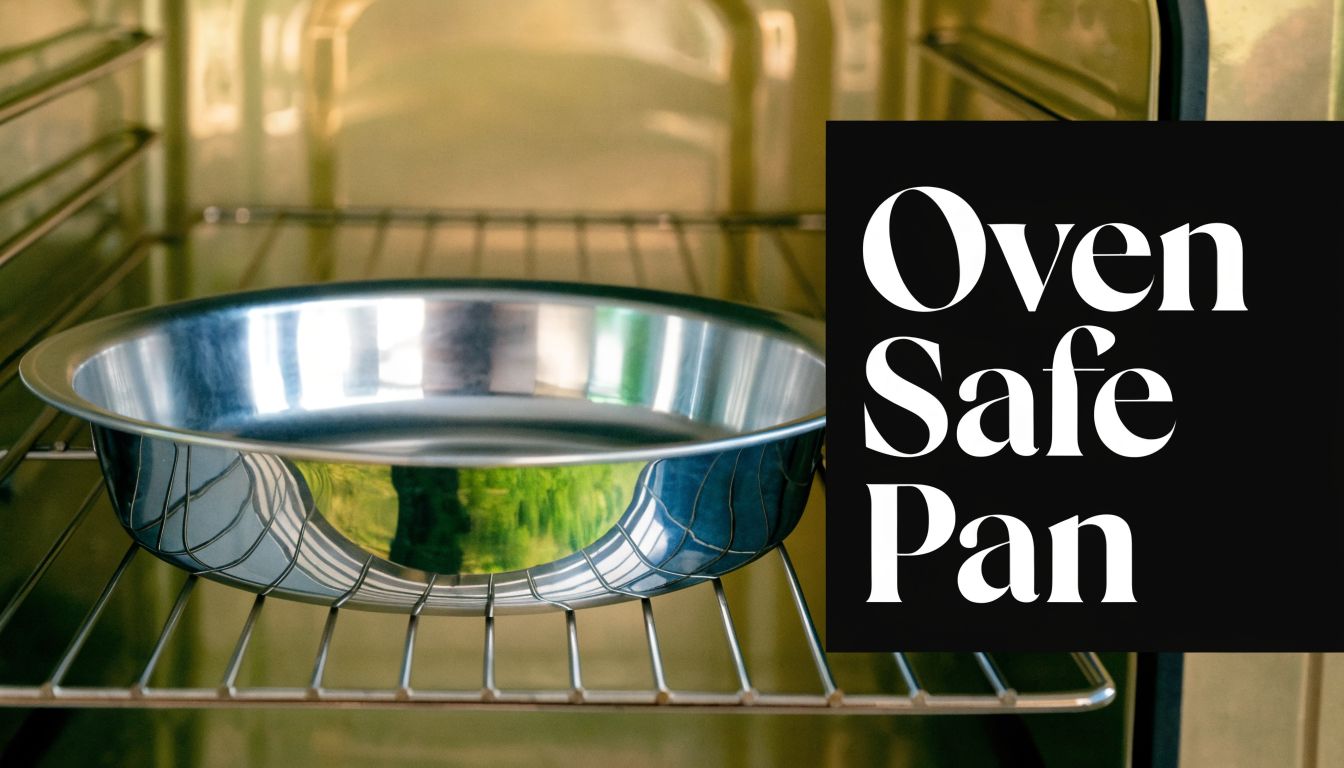
You're standing in the kitchen with a box mix, frozen snacks, or tonight's leftovers, and the pan in your hand is aluminum. Maybe it's a disposable tray from the store. Maybe it's your favorite sheet pan. You pause for a second and wonder if putting an aluminum pan in oven heat is safe.
It usually is. But the useful answer isn't just “yes.” It's yes, with a few important limits that affect both safety and how your food turns out.
The Quick Answer to Your Aluminum Pan Question
Yes, an aluminum pan in oven use is generally safe for most everyday baking and roasting. If you're making fries, cookies, nachos, garlic bread, roasted vegetables, or reheating a casserole, aluminum is commonly used for exactly that job.
What trips people up is that “oven-safe” doesn't mean “ideal for every food and every appliance.” Thin disposable pans behave differently from sturdy baking sheets. Acidic foods behave differently from dry snacks. And an air fryer behaves differently from a full-size oven.
That's why two people can both say, “I used aluminum in the oven,” and have very different results. One gets crisp tater tots. The other gets a warped pan, uneven browning, or a weird metallic taste in tomato-based leftovers.
A simple way to think about it is this:
- For dry, quick-cooking foods, aluminum is usually a very practical choice.
- For acidic, salty, or long-stored foods, you need more caution.
- For air fryers, size and airflow matter as much as safety.
If you came here because dinner is waiting, here's the fast reassurance. You can usually bake in aluminum without a problem. You just want to match the pan to the food and the appliance. If you cook easy snacks often, it helps to learn the few situations where aluminum shines and the few where it's smarter to switch pans. For more snack-focused air fryer ideas, readers often browse air fryer snack inspiration.
Fast takeaway: Aluminum is usually fine in the oven, but the real questions are what you're cooking, how hot you're cooking it, and whether you're using a conventional oven or an air fryer.
Understanding Oven Safety and Temperature Limits
Aluminum is popular in bakeware for a practical reason. It moves heat efficiently. According to this explanation of aluminum bakeware performance, aluminum's thermal conductivity is about 235 W/(m·K), compared with about 16 W/(m·K) for stainless steel, or roughly 15 times higher. That's why aluminum pans preheat quickly, spread heat more evenly, and can reduce hot spots.

That high conductivity is good news for snack foods. Think cookies that bake more evenly, pizza rolls that brown without scorching in one corner, or roasted chickpeas that don't sit on a patchy hot pan. But it also means aluminum reacts faster to heat changes, so food can brown sooner than you expect.
Why aluminum cooks differently
A simple comparison helps. Aluminum is like a sporty car that responds quickly when you tap the gas. Some heavier, lower-conductivity pans feel more like a steady family sedan. They're slower to react, which can be forgiving. Aluminum is faster, which can be helpful, but you need to pay attention.
That's why a batch of frozen mozzarella sticks may look ready earlier on an aluminum pan than on thicker, slower bakeware. It doesn't mean the pan is unsafe. It means you should start checking for doneness a little earlier.
Disposable pans versus sturdy bakeware
Not all aluminum pans deserve the same confidence.
| Pan type | Best use | What to watch for |
|---|---|---|
| Disposable aluminum pan | Potluck trays, brownies, simple bakes, reheating | Can bend, flex, or warp when lifted |
| Heavy-duty aluminum sheet pan | Roasting, cookies, sheet-pan snacks, repeated use | Browns quickly, so watch timing |
| Anodized aluminum pan | Everyday baking, especially when reactivity matters | Usually more durable and less reactive than bare aluminum |
A thin disposable pan can handle oven use, but it doesn't have much structural strength. If you load it with cheesy fries, stuffed peppers, or a heavy breakfast casserole, support the bottom with a baking sheet underneath before you lift it. That's a safety habit, not just a convenience trick.
Signs a pan isn't a good choice
Use a different pan if you notice any of these:
- Deep warping that makes the pan rock or twist
- Very thin sides that buckle when you pick it up
- Pitting or rough interior wear
- A coating that's peeling or damaged
A pan can be technically oven-safe and still be a poor performer. If it flexes badly or heats unevenly, your food usually tells you first.
For everyday oven snacks, aluminum is often a strong performer. The key is treating it like responsive equipment, not all-purpose cookware with no tradeoffs.
The Hidden Risks With Acidity Scratches and High Heat
The actual concerns with aluminum aren't mysterious. They come from a few predictable conditions. Food chemistry matters. Surface condition matters. Heat level matters.

If you understand those three things, most of the confusion around an aluminum pan in oven cooking goes away.
Acidic foods are the biggest troublemakers
Tomato sauce, lemon juice, vinegar marinades, and salty mixtures are harder on bare aluminum than dry foods like fries or biscuits. They can react with the metal, which may affect flavor and the pan surface.
You might notice:
- A faint metallic taste in strongly acidic dishes
- Pitting or dull spots inside the pan
- More concern when food sits in the pan after cooking
That last point gets overlooked. Quick baking is one thing. Letting baked ziti with tomato sauce sit in the same aluminum pan for hours or overnight is a different situation.
Scratches make the problem worse
A worn pan is more reactive than a smooth one. The issue isn't just age. It's condition. If the pan is scratched, pitted, or rough, more aluminum can contact the food directly.
Metal utensils often speed this up. So does aggressive scrubbing. A shiny, intact pan and a beat-up, scratched pan don't behave the same way, even if they started as the same product.
Kitchen rule: If an aluminum pan looks visibly worn inside, stop using it for acidic or salty foods.
High heat increases migration
A peer-reviewed study discussed in this research article on aluminum migration during baking found that aluminum migration was lower below 160°C and much higher above 220°C. The same source notes that acidic or marinated foods can increase transfer, and some samples showed increases up to 40 times. It also notes that Health Canada advises avoiding aluminum cookware for acidic or salty foods and using low-to-medium heat, especially when cookware is worn, scratched, or pitted.
That doesn't mean every tray of oven snacks is dangerous. It means the risk rises under specific conditions, especially when several factors stack up at once. For example:
- The food is acidic.
- The pan is scratched.
- The temperature is high.
- The food stays in the pan after baking.
That combination deserves caution.
A better option when you still want aluminum
Anodized aluminum is a better choice than bare aluminum when reactivity is a concern. It has a harder oxide layer that's more resistant to corrosion and scratching, and it reduces aluminum transfer. If you like aluminum's baking performance but cook with tomatoes or citrus often, anodized bakeware is the more reassuring option.
For simple snacks, the practical message is calm and clear. Dry foods and short oven times are usually the easiest situation. Acidic, salty, scratched, and very hot cooking conditions are where aluminum needs more judgment.
Using Aluminum Pans in Your Air Fryer
Many guides stop too early at this point. A pan that works in a regular oven may still give you disappointing results in an air fryer.
An air fryer is basically a small convection oven that depends on fast-moving hot air. That airflow is what gives you crisp edges on bagels, browning on tots, and better texture on quick snacks. If you drop a pan into the basket without thinking about space, you can accidentally block the very thing that makes the appliance work well.

Why pan size matters more in an air fryer
Whirlpool warns in its guidance on foil use in ovens that foil on oven racks can disrupt heat distribution, block vent openings, and prevent even cooking, while also risking damage to heating elements and enamel surfaces. That matters in air fryers too because these appliances rely heavily on circulation. A pan that's too large can block airflow, reduce browning, and leave food soggy.
In a full-size oven, you have more room around the pan. In a compact air fryer basket, a snug pan can act like a wall.
When an aluminum pan works well
An aluminum pan can still be useful in an air fryer if you use it for the right foods and leave room around it. Good examples include messy foods that would drip, cheesy snacks that might melt through the grate, or small portions of leftovers.
Use one when:
- The pan is smaller than the basket so air can move around the sides
- The food is saucy or delicate and needs containment
- You're cooking a small batch, not filling the whole drawer
Skip it when your goal is maximum crisping. French fries, breaded snacks, and roasted vegetables usually brown better with more direct airflow.
Better habits for snack cooking
A few choices make a big difference:
- Use a shallow pan instead of a deep one when possible
- Avoid covering the entire basket floor
- Don't line vents or heating areas
- Check texture earlier because air fryers vary a lot by shape and fan strength
If you're making breakfast or snack foods and want a simple test case, a recipe like bagel in the air fryer shows how much browning depends on open airflow rather than just heat.
If your air-fried food comes out pale and soft instead of crisp, the pan may be the problem more often than the recipe.
The short version is this. In a conventional oven, aluminum mainly affects heat transfer. In an air fryer, it affects heat transfer and airflow. That extra variable changes everything.
Your Best Practices Checklist for Using Aluminum Pans
If you want aluminum's convenience without second-guessing every meal, keep a short routine. These habits cover most home cooking situations, from sheet-pan snacks to leftover reheating.
Before cooking
- Check the pan surface: If you see scratches, pitting, rough wear, or peeling areas, don't use that pan for reactive foods.
- Match the pan to the job: Use a sturdy aluminum sheet pan for cookies, nuggets, or roasted vegetables. Use a disposable pan for lighter tasks or when easy cleanup matters.
- Think about the food itself: Dry foods are usually straightforward. Tomato, lemon, vinegar, and salty marinades need more care.
During cooking
- Watch browning early: Aluminum responds quickly, so food may brown sooner than it would in slower bakeware.
- Support flimsy pans: Put a disposable aluminum tray on a baking sheet before moving it in or out of the oven.
- Use gentler tools: Silicone, wood, or soft nylon utensils are kinder to the pan than metal.
After cooking
Many people undo their good choices at this stage.
- Move leftovers out promptly: Don't use an aluminum pan as long-term storage for saucy or acidic foods.
- Let the pan cool naturally: Sudden temperature shock can encourage warping, especially in thinner pans.
- Wash without scraping hard: Gentle cleaning helps preserve the interior surface.
Quick do and don't guide
| Do | Don't |
|---|---|
| Use aluminum for cookies, snacks, and roasting | Store acidic leftovers in bare aluminum |
| Inspect for wear before use | Keep using deeply scratched pans for tomato or citrus dishes |
| Use a baking sheet under disposable trays | Lift a heavy disposable pan with no support |
| Leave airflow space in air fryers | Block the basket with an oversized pan |
For more general kitchen how-tos and appliance tips, readers often browse the air fryer blog archive.
When to Choose a Different Pan Instead
Aluminum is useful, but it isn't the hero for every recipe. Some foods do better in another material. Choosing the right pan often improves flavor, texture, and peace of mind all at once.

Choose glass for acidic casseroles and leftovers
According to this discussion of aluminum pan safety with acidic foods, aluminum is often called safe, but that's only conditionally true because the details depend on food acidity, temperature, and how long food stays in the pan after cooking. For batch cooking or storing leftovers with tomato sauce, lemon, or vinegar-based marinades, metallic taste and aluminum transfer become more significant, making glass or stainless steel a better workaround.
That makes glass a smart pick for dishes like:
- baked pasta with tomato sauce
- lemon chicken and rice
- vinegar-heavy casseroles
- meal-prep dishes you'll refrigerate in the same container
Choose ceramic for gentler baking
Ceramic is a nice option when you want steady, gentle heat and an attractive serving dish. It's especially handy for baked dips, cobblers, bread pudding, or soft breakfast casseroles that go straight from oven to table.
It also helps when presentation matters. A disposable aluminum tray is practical. A ceramic baker feels more finished.
Choose stainless steel for durability and non-reactive cooking
Stainless steel is a good alternative when you want a tougher pan that doesn't react with acidic ingredients. It's also useful for cooks who prefer one durable pan they can keep for years without worrying much about surface wear from normal use.
Here's a simple way to decide:
| If you're making | Best pan choice |
|---|---|
| Dry snacks, cookies, roasted vegetables | Aluminum |
| Tomato-based baked dishes | Glass or stainless steel |
| Food you'll store after baking | Glass |
| Everyday durable roasting | Stainless steel |
| Soft baked dishes for serving | Ceramic |
The best pan isn't the one that can technically survive the oven. It's the one that suits the food from start to finish.
Aluminum deserves a place in the kitchen. It just works best when you use it as one tool among several, not as the answer to every recipe.
If you want easy snack ideas, simple air fryer recipes, and practical cooking tips that fit real life, visit Air Fryer Snack Ideas. It's a helpful place to find quick inspiration when you need something fast, crispy, and low-stress.
