


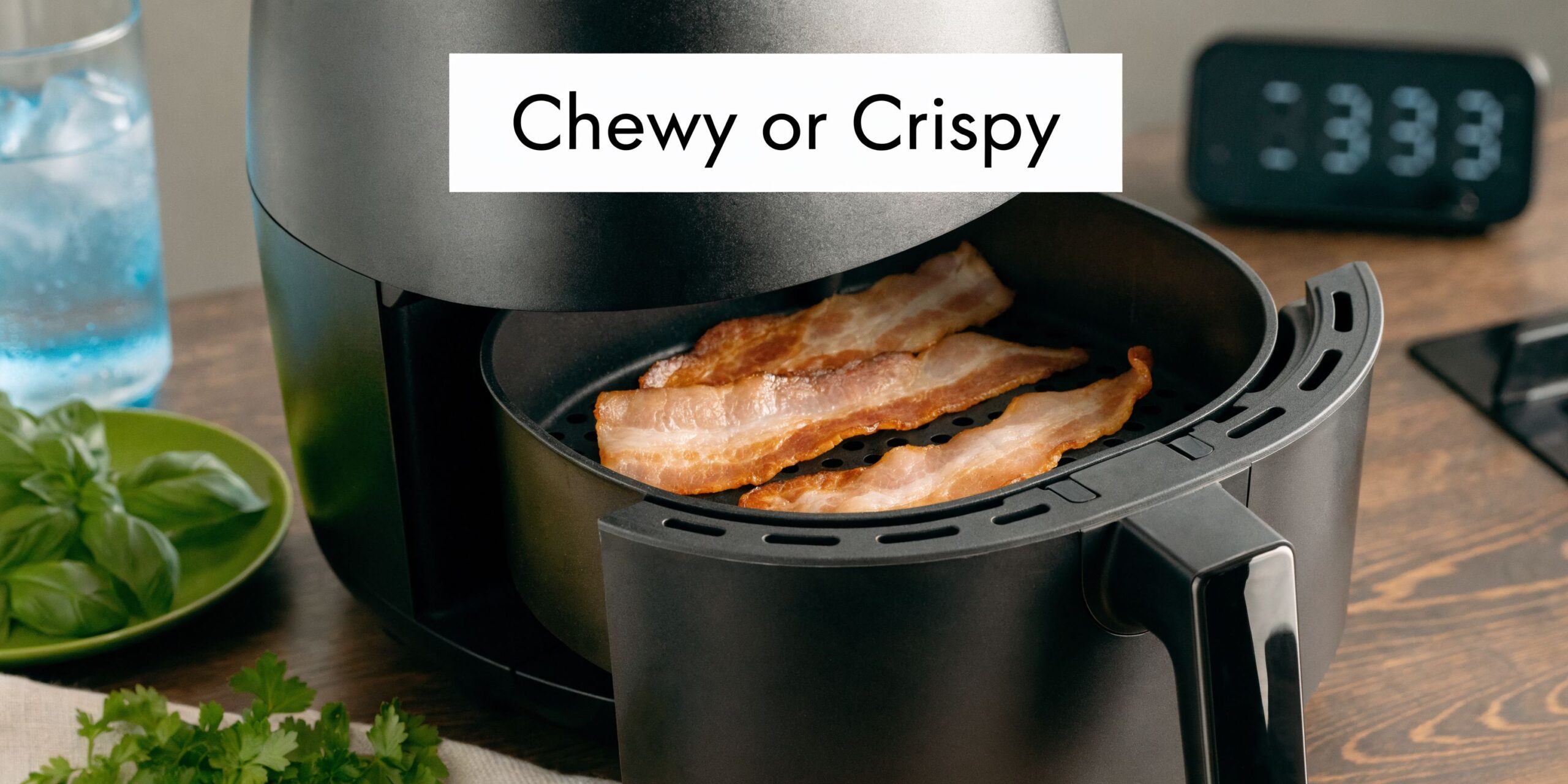
Some mornings, turkey bacon feels like a compromise. You want something fast and lighter than pork bacon, but the skillet gives you sputtering grease, patchy browning, and strips that somehow turn out dry at the edges and floppy in the middle.
The air fryer fixes that. It cooks turkey bacon quickly, contains the mess, and makes the texture far more predictable. Once you learn a few small adjustments, you can air fry turkey bacon exactly how you like it, from tender and bendy to crisp at the edges.
The End of Limp Greasy Turkey Bacon
A lot of people try turkey bacon once, get a disappointing batch, and assume that is just how turkey bacon is supposed to be. It is not.
The usual stovetop problem is uneven heat. One strip sits in a hot spot and darkens too fast, while another still looks pale. Then there is the cleanup. Even a quick breakfast can leave a greasy pan, a splattered cooktop, and a sink full of frustration before the day has even started.
The air fryer changes the whole routine. You lay the strips in the basket, let the hot air circulate, flip once, and check for doneness. That is it. No standing over the stove. No chasing the exact second before the bacon goes from underdone to overdone.
What makes this method so useful is consistency. Turkey bacon is leaner than pork bacon, so it does not have the same margin for error. In a skillet, that often works against you. In an air fryer, that leanness becomes an advantage because the circulating heat crisps the surface without needing a pool of grease to get there.
For busy mornings, that matters. Students can make a quick breakfast before class. Parents can cook a batch while handling everything else going on in the kitchen. Anyone working from home can put together breakfast in minutes without making the kitchen look like a diner line.
Tip: If turkey bacon has disappointed you before, the problem usually is not the bacon. It is the cooking method.
Why the Air Fryer Is the Superior Cooking Method
A good batch of turkey bacon has a narrow target. Too little heat and it stays floppy. Too much direct heat and the thin edges turn tough before the center looks done. The air fryer solves that better than any other method I use.

It suits the way turkey bacon cooks
Turkey bacon is leaner than pork bacon, so it behaves differently from the start. According to this turkey bacon nutrition breakdown, a 3-slice serving contains 126 calories, 9 grams of protein, and 9 grams of fat, with about half the saturated fat and roughly one-third fewer calories than regular pork bacon. The same source points out the trade-off too. A 3-slice serving has 535 milligrams of sodium, so it is still a processed meat and best treated as a smart swap, not a free pass.
That leaner profile is exactly why the cooking method matters. Pork bacon can forgive a little sloppy technique because it renders more fat as it cooks. Turkey bacon has less cushion. It needs controlled heat if you want browned edges and a pleasant bite instead of dry, papery strips.
The air fryer gives you better control over texture
What makes the air fryer stronger here is airflow. The heat reaches the surface from all sides, so the bacon cooks more evenly without sitting in a slick of grease or fighting a pan hot spot.
That control matters because turkey bacon is not one-note. Some people want it flexible enough for a breakfast sandwich. Others want it crisp enough to crumble over eggs or a salad. The air fryer handles that range well, which is why it is the best method for dialing in your exact preference instead of settling for whatever the skillet gives you.
It keeps the process simple
The air fryer also removes a lot of friction. No added oil. Less splatter. Less babysitting.
That sounds small until a busy morning hits.
You can load the basket, check once, flip if needed, and get on with the rest of breakfast. In my kitchen, that is a significant advantage. I get more consistent results with less attention, and cleanup stays manageable even after multiple batches.
It is easier to repeat and easier to troubleshoot
Repeatability is what turns a decent method into the one you keep using. Once you know how your machine cooks, air fryer turkey bacon becomes predictable in a way stovetop bacon rarely is.
If strips brown unevenly, the fix is usually spacing or basket crowding. If lightweight slices lift or curl, a quick flip halfway through usually settles them. If the first batch comes out softer than you want, add a minute on the next round instead of changing the whole method. Those are easy adjustments, and they are part of why the air fryer is superior. It gives you a cleaner path to consistent results, whether you like your turkey bacon chewy, crisp, or fully brittle.
The No-Fail Method to Air Fry Turkey Bacon
A good batch of turkey bacon should not feel like a guess. It should come out the way you wanted it. Flexible for a sandwich, crisp at the edges for breakfast, or dry enough to crumble over a salad. The method below is the one I keep coming back to because it gives you control from the first batch instead of forcing you to troubleshoot after the fact.

Prepare the air fryer and the bacon
Preheat your air fryer to 375°F. That is the cleanest starting point for most basket-style models, and it falls right in the range supported by this tested air fryer turkey bacon method.
While the air fryer heats, separate the strips carefully. Turkey bacon tears more easily than pork bacon, especially when the package is cold and the slices are pressed together. If they are sticking, peel them apart slowly from one end instead of pulling from the middle.
A light spray of oil is optional. I only use it if the basket has started to lose some of its nonstick finish. In a newer basket, it usually is not needed.
Arrange the strips so they crisp
Lay the slices in a single layer with a little space between them wherever you can. Slight curves are fine. Heavy overlap is where problems start.
If the basket looks crowded, make two batches. Turkey bacon needs moving air around the edges to brown evenly, and once the slices start touching too much, you get the classic mix of pale spots, curled corners, and soft centers.
Most air fryers fit a small batch comfortably. For larger family packs, planning on multiple rounds gives better results than trying to force everything into one cook.
The basket should look organized, not packed.
Use a simple two-stage cook
Cook the turkey bacon for 5 minutes, then open the basket and flip each strip with tongs. Finish with 4 to 5 more minutes.
That baseline works for most brands, but the last stretch is where texture really changes. If the bacon is not crisp enough, keep cooking in short 1-minute increments. That is the safest way to hit your target without overshooting it.
I do not recommend setting one long cook time and walking away. Turkey bacon can go from nicely crisp to dry and brittle fast, especially in smaller air fryers that run hot.
Handle the problems that throw people off
If the strips lift, slide, or fold onto themselves, open the basket at the halfway point and straighten them before finishing the cook. Lightweight turkey bacon can move around more than pork bacon because it renders less fat and stays lighter during the first few minutes.
If one side browns faster, flipping usually fixes it. If the centers stay soft while the edges darken, the basket is too full or the strips overlap too much. If the bacon looks done but still feels limp, give it another minute and let it rest for 30 seconds after cooking. Turkey bacon often firms up slightly as it cools.
These are small adjustments, but they are the difference between random results and a repeatable method.
What helps and what causes trouble
Use these habits every time:
- Preheat first for more even browning from the start.
- Flip halfway through so the second side can finish at the same pace.
- Cook in batches if needed instead of crowding the basket.
- Check the second batch early because a fully heated machine cooks faster.
These habits usually lead to disappointing results:
- Stacking or overlapping strips, which traps steam.
- Adding too much extra time at once, which dries the bacon out before you can correct it.
- Relying on color alone, since some brands darken before they reach your ideal texture.
Adjust for later batches
Batch one teaches you how your air fryer behaves. Batch two is where people get caught.
Once the machine is fully hot, later rounds often finish faster than the first. Start checking a minute earlier, especially if you are cooking a thinner brand. That one habit prevents a lot of overcooked turkey bacon.
A practical baseline to start with
Use this as your default:
- Temperature: 375°F
- First cook: 5 minutes
- Flip: Yes
- Second cook: 4 to 5 minutes
- Add more time: 1 minute at a time, only if needed
Set the cooked strips on a paper towel for a moment if you want a drier finish. Then serve them hot. Turkey bacon tastes best right out of the basket, when the edges are crisp and the center still has the texture you aimed for.
Mastering Your Perfect Level of Crispness
Not everyone wants the same bacon. Some people want soft, flexible strips for a breakfast sandwich. Others want edges that snap when you bite into them. The trick is knowing how temperature and time work together.

The temperature range that works best
The sweet spot for air fry turkey bacon is 360 to 380°F. Benchmark data from multiple recipes shows that this range delivers a 90 to 95% crispness success rate, while 350°F reaches an 80% crisp rate and 390°F raises the drying risk by 15%, according to this benchmark comparison.
That same benchmark found that flipping halfway through boosts evenness by 30%. So if your goal is control, flipping is not optional. It is one of the biggest texture levers you have.
Use this guide to choose your texture
| Desired Texture | Temperature | Total Cook Time (Flip Halfway) | Notes |
|---|---|---|---|
| Chewy and tender | 350°F | 7 to 8 minutes | Best if you want flexible strips for wraps or sandwiches. Crisping is lighter here. |
| Balanced and classic | 360°F | 9 to 10 minutes | Good starting point for most brands and most eaters. |
| Crispy with some chew | 375°F | 9 to 10 minutes | Reliable middle ground with stronger browning. |
| Extra crisp | 380°F | 10 to 11 minutes | Great when you want firmer edges and a drier finish. Watch closely near the end. |
| Very crisp, use caution | 390°F | Varies by machine | Can push texture further, but drying risk is higher. Best only if you already know your air fryer well. |
Thickness changes everything
Even with the same temperature, thin turkey bacon and thick-cut turkey bacon will not finish the same way. Thin strips dry out faster and can go from ideal to overdone in a short window. Thicker strips often need the full second stage plus a short extra burst.
If you buy one brand consistently, your timing gets much easier. If you switch brands often, treat each first batch like a test run.
Tip: When chasing a very crisp finish, increase time before you increase heat. Pushing the temperature too high is the faster route to dry bacon.
A simple way to think about adjustments
If your bacon comes out too soft, change one variable. Add a little more time at the same temperature.
If it comes out dry, pull back on total cook time before you lower the heat. Many batches fail because they stayed in too long, not because the temperature was wildly wrong.
That is the difference between following a recipe and mastering the method. You stop guessing and start adjusting with purpose.
Pro Tips for Flawless Results Every Time
Most turkey bacon failures are not recipe failures. They are air fryer behavior problems.

Stop flying bacon before it starts
Thin turkey bacon can lift, curl, or slide around when the fan kicks on. This is the “flying bacon” problem, and it shows up more often in smaller 4 to 6 qt models, based on this note about air fryer basket behavior. A simple fix is placing a small air-fryer-safe metal rack on top of the strips to hold them down.
That is one of those small tricks that feels obvious after you try it. Before that, it feels like your air fryer is picking a fight with breakfast.
Do not assume liners always help
A parchment liner can make cleanup easier, but it can also reduce airflow around the bacon. For turkey bacon, airflow is the whole game. If you use a liner, keep it flat and make sure it does not block too much circulation.
If your main goal is crispness, cook directly in the basket whenever possible.
Handle later batches differently
The first batch teaches you the machine. The second batch can fool you.
Instead of repeating the exact same timing, start checking earlier. A fully hot basket often means a faster finish and darker edges. If you are meal prepping, move cooked bacon to a plate lined with paper towel so steam does not soften it while the next batch cooks.
Use tools that protect the basket
Plastic-tipped tongs are a smart move for flipping. They give you enough grip without scraping the basket coating.
Metal tongs can work, but they are less forgiving if you are moving quickly. For a food that cooks this fast, easy handling matters.
Know when to batch and when to stop
Trying to cram the whole package into one round usually creates the exact texture people complain about. Cook in manageable rounds instead. If you want more air fryer snack ideas after you master bacon, browse the recipe archive at https://airfryersnackideas.com/category/blog/.
Best practice: When a batch looks slightly under your ideal doneness in the basket, that is often perfect. A brief rest outside the fryer finishes the texture.
Quick Snack and Meal Ideas Beyond Breakfast
Once you know how to air fry turkey bacon well, breakfast is only the beginning. Good turkey bacon adds salt, crunch, and savory flavor to a lot of fast meals.
A quick wrap that feels like lunch, not leftovers
Make a turkey bacon lettuce and tomato wrap with a tortilla, crisp lettuce, sliced tomato, and a swipe of whatever spread you like. The turkey bacon gives you enough punch that the wrap still tastes satisfying even when the ingredient list stays short.
If you want a carb-forward breakfast-for-lunch situation, pair it with ideas from https://airfryersnackideas.com/bagel-in-air-fryer/.
Crispy topping for soups and bowls
Break cooked strips into pieces and scatter them over tomato soup, baked potato soup, or a grain bowl. Turkey bacon works especially well here because it adds texture without making the whole bowl feel heavy.
The key is adding it at the end so it stays crisp.
A better baked potato finish
A plain baked potato can turn into a solid quick dinner with sour cream or Greek yogurt, shredded cheese, chopped green onion, and crumbled turkey bacon. If you already have bacon cooked in the fridge, this is one of the fastest ways to make it feel like a full meal.
Salads that do not feel like an obligation
Turkey bacon adds enough flavor to make a simple salad more appealing. Chop it and toss it into romaine with cucumber, tomato, and a punchy dressing. Or use it in a chopped salad where you want a little crunch in every bite.
Snack plate for busy afternoons
A few strips of air-fried turkey bacon, sliced vegetables, cheese, and crackers or nuts make a practical snack plate. It is simple, portable, and easy to assemble from fridge basics.
This is one of the most useful ways to use a small leftover batch. You do not need a full recipe. You just need one crisp, savory element that makes the rest of the plate more interesting.
Storing Reheating and Common Questions
You cooked a batch perfectly, then the leftovers turned soft by morning. That is the usual frustration with turkey bacon, and it comes down to moisture control more than anything else.
How to store it
Cool the strips completely before packing them away. If you seal warm turkey bacon in a container, trapped steam softens the surface fast.
Store it in the fridge in an airtight container with paper towel between layers. That extra layer absorbs condensation and does a better job of preserving crisp edges than stacking the strips directly on each other. For longer storage, freeze small portions so you can reheat only what you plan to eat.
How to reheat it
Use the air fryer again if texture matters. It reheats turkey bacon far better than the microwave, which warms it quickly but usually leaves it limp around the edges.
A short reheat is enough. Start low and check early, because leftover turkey bacon goes from crisp to dry much faster than freshly cooked strips. If the bacon was already very crisp the first time, reheat just until hot and stop there. It will keep firming up for a minute after it comes out.
Common questions that come up fast
Why is my turkey bacon still soggy
The basket was probably too crowded, or the strips were overlapping. Turkey bacon needs open airflow around each piece so moisture can cook off instead of collecting underneath.
Basket liners can also cause problems if they block too much airflow. If you use one, choose a perforated liner and keep the layer to a minimum.
Why did some strips cook faster than others
Turkey bacon is rarely perfectly uniform straight out of the package. Some pieces are thinner, some have more moisture, and some sit closer to a hotter spot in the fryer basket.
Flip the strips and switch their positions halfway through if your air fryer tends to brown unevenly. That one adjustment solves a lot of patchy batches.
Why did it dry out
Turkey bacon has a smaller sweet spot than pork bacon. Leave it in even a minute too long, and the leaner sections can turn tough.
Pull it when it is just shy of your ideal finish. Residual heat will push it a little further as it rests.
Why did my air fryer smoke
Old grease in the basket is the first thing to check. Even a small amount of leftover residue from a previous cook can start smoking once the fryer gets hot.
A heavy batch can do it too, especially if rendered fat and crumbs collect below the grate. Clean the basket regularly and cook in smaller rounds when needed.
Why is my bacon flying around the basket
Lightweight turkey bacon can lift or curl in powerful air fryers, especially during the first minute before it starts to firm up. Lay the strips flat, avoid overcrowding, and use the crisper tray if your model has one. If a corner still flips up, open the basket and press it back down early in the cook.
If your air fryer keeps giving you the same trouble, send your question through the air fryer contact page.
Good turkey bacon is easy to repeat once you know what to watch for. Keep the strips in a single layer, protect them from trapped moisture, and treat the last minute of cooking and reheating as the part that decides the final texture.
