


You're standing in the nut butter aisle, staring at two jars. One is the peanut butter you've bought for years. The other is almond butter, usually pricier, usually marketed as the better choice, and usually surrounded by labels that make it sound almost medicinal.
That's a common point of confusion. Is almond butter good for you because it's nutritious, or because it has a healthy reputation?
The honest answer is that almond butter can be a smart food, but it isn't magic. It has real strengths, a few practical downsides, and it works best when you use it with intention. If you like practical food advice from real people, the writers at Air Fryer Snack Ideas take a similarly everyday approach to cooking, which is helpful when you want ideas you'll make.
Why Everyone Is Talking About Almond Butter
A lot of the buzz around almond butter comes from a simple shift in how people shop. More shoppers want snacks that feel satisfying, less sugary, and a bit closer to whole foods. Almond butter fits that mood well. It spreads like comfort food, but it also carries a nutrition profile that makes health-conscious eaters pay attention.
It also helps that almond butter is easy to use. You can spread it on toast, swirl it into oatmeal, add it to smoothies, or use it in savory sauces. For busy people, that matters. A food doesn't need to be perfect to become popular. It needs to be convenient and useful.
Why the hype feels confusing
Some people talk about almond butter like it belongs in every healthy kitchen. Others dismiss it because it's calorie-dense. Both views miss the point.
Almond butter is best understood as a nutrient-dense spread. That means a small amount gives you a lot of nutrition, but it also gives you a lot of energy. That combination is exactly why some people love it and others overdo it.
Almond butter isn't “good” or “bad” on its own. The real question is how you use it, what you pair it with, and how much ends up on the spoon.
Why it keeps showing up in healthier snack ideas
People also like almond butter because it can replace sweeter toppings and more processed spreads. In real life, that might mean swapping frosting-like toast toppings for almond butter and fruit, or using it as a dip instead of grabbing packaged snacks.
That practical side matters more than wellness buzzwords. If a food helps you build a snack that keeps you full and tastes good, it earns a place in the rotation.
A Look Inside the Jar The Nutritional Profile
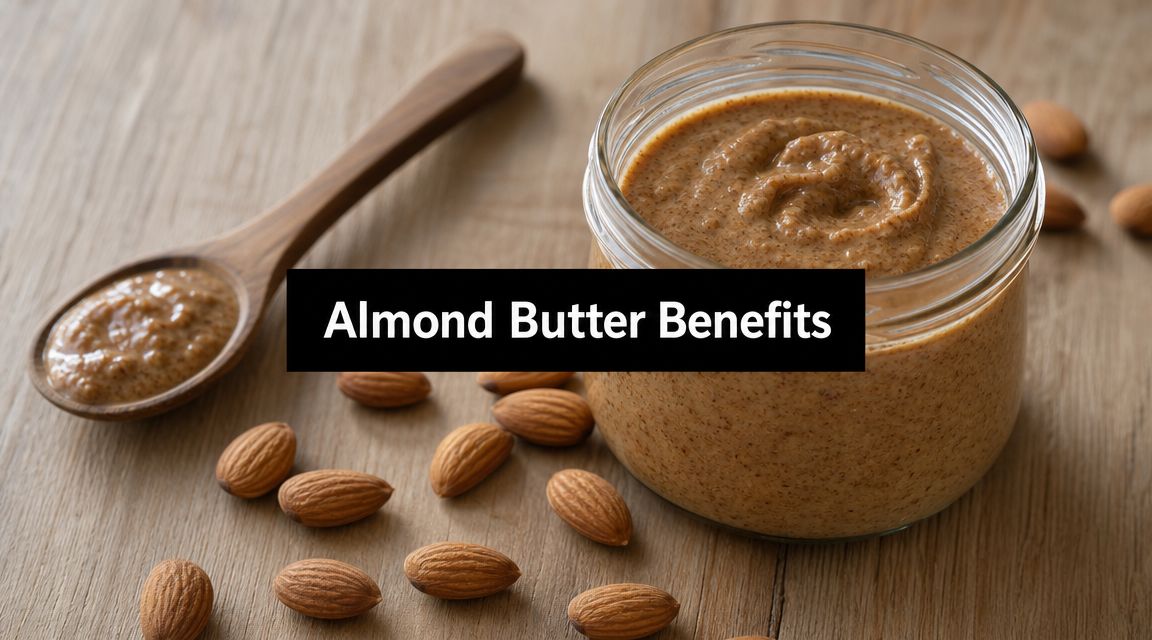
A jar of almond butter can look deceptively simple. Ground almonds, maybe a little salt, and not much else. But nutritionally, it behaves more like a compact snack kit than a basic spread.
Using one serving size keeps the picture clear. A standard 2-tablespoon serving gives you a meaningful mix of calories, fat, protein, and fiber, along with nutrients like vitamin E, magnesium, calcium, and potassium, as noted earlier. That matters because almond butter is usually eaten in small amounts, yet those small amounts still bring more to the table than sugary spreads or low-protein toppings.

The fat content needs context
The number that grabs attention first is usually the fat. For many readers, that sounds like a warning sign. In practice, the type of fat matters more than the headline number.
Almond butter is known for its unsaturated fats, especially monounsaturated fat. These fats are common in eating patterns centered on nuts, olive oil, seeds, and other minimally processed foods. A helpful comparison is avocado. Nobody expects avocado to be low-fat, but many people still see it as a smart food because the whole package makes sense. Almond butter works in a similar way.
That is also why a spoonful can feel satisfying instead of empty.
Why a small amount can hold you over
Almond butter has three traits that help a snack feel more complete: fat, fiber, and protein. Each one does a different job, and together they slow down the quick rise-and-crash feeling you can get from a carb-only snack.
- Protein adds staying power, so the snack feels more substantial.
- Fiber helps slow digestion, which can make fullness last longer.
- Fat adds satisfaction, so the snack tastes rich enough to feel finished.
If you spread almond butter on apple rings and air fry them for a warm snack, you can feel the difference. The fruit brings sweetness and crunch. The almond butter adds substance. That pairing makes more sense nutritionally than eating the fruit alone and then rummaging through the pantry 30 minutes later.
You can see that same idea across these air fryer snack ideas and healthy snack articles. The best snacks usually combine texture, flavor, and nutrients instead of relying on sugar or refined carbs to do all the work.
Micronutrients are part of the appeal
Calories matter, but they are only one part of the story. Almond butter also gives you vitamin E, which acts as an antioxidant, plus magnesium for muscle and nerve function, along with calcium and potassium.
Those nutrients do not turn almond butter into a miracle food. They do explain why it often feels like a smarter choice than spreads that bring mostly sugar or added oils. If peanut butter and almond butter are both in your kitchen, almond butter often stands out for its vitamin E and magnesium content.
A useful way to view the jar is this: almond butter is concentrated. Two tablespoons is a modest portion, but it packs enough fat, fiber, and micronutrients to change how a snack performs. That is exactly why it works so well in simple air fryer snacks, where a small spoonful can turn sliced fruit, toast, or oat-based bites into something more balanced.
The Science-Backed Health Benefits
A good way to judge almond butter is to ask a practical question. What does it help a snack do?

Research on almonds gives the clearest starting point, because almond butter is almonds in a spreadable form. A 2024 perspective summarizing meta-analytic evidence reported an average reduction of about 5.1 mg/dL in LDL cholesterol with higher almond intake, with additional average reductions in diastolic blood pressure of roughly 0.17 to 1.3 mm Hg, according to this PMC review on almonds and cardiometabolic health. The authors connect those effects to the nutrient package in almonds, including monounsaturated fats, magnesium, and vitamin E.
Heart health is the clearest benefit
The most convincing benefit is support for cardiometabolic health. In everyday terms, almond butter works best as a swap. Use it instead of a sugary spread, a frosting-like dip, or a snack built mostly from refined carbs, and the difference is easier to understand.
That replacement effect matters more than people realize. Adding almond butter on top of an already heavy snack is one thing. Spreading a thin layer on pear slices or using it in a quick dip for air-fried apple chips is different. In that second case, almond butter helps turn a sweet snack into one that has more staying power and a steadier nutrition profile.
It can make snacks more satisfying
Satiety sounds technical, but the idea is simple. A snack that combines fat, a little protein, and some fiber usually lingers longer than one built mostly from sugar or starch.
Almond butter fits that pattern well. It helps explain why banana coins with almond butter often feel more satisfying after a few minutes in the air fryer than plain banana slices, or why a small almond butter drizzle on oat bites can make them feel less like a quick nibble and more like a real snack.
If you want more examples of snacks built this way, the healthy air fryer snack ideas archive shows the same principle again and again. Pair a produce base or whole grain base with something that adds richness and structure.
The nutrient mix does more than add calories
Almond butter also brings a useful mix of unsaturated fat and micronutrients. Vitamin E is a standout. Magnesium matters too. Together, they help explain why almond butter has a better reputation than spreads made mostly from sugar and added oils.
A helpful analogy is to view almond butter as a concentrated ingredient, not a side note. A small spoonful can change the texture, flavor, and nutritional balance of a snack in the same way a handful of nuts can change a salad. That is why it works especially well in air fryer snacks, where a modest amount can turn fruit, toast points, or oat-based bites into something more balanced.
Almond butter earns its healthy reputation most clearly when it replaces sweeter or more processed toppings and helps build a snack that actually keeps you satisfied.
Understanding the Risks and Portion Sizes
Almond butter has a healthy image, but it still needs a reality check. The biggest issue isn't that it's unhealthy. The biggest issue is that it's easy to eat more of it than you intended.
A spoonful can turn into several spoonfuls fast, especially when you're eating straight from the jar. Because almond butter is dense and smooth, portions can blur quickly.
The blood sugar claim needs nuance
A lot of people assume almond butter is automatically great for blood sugar. That's too broad.
According to WebMD's summary of almond butter benefits, most studies do not show consistent improvements in fasting glucose or HbA1c from almond consumption overall, and any benefits appear more reliable in specific populations. That means almond butter isn't a guaranteed blood sugar fix for everyone.
A common point of confusion arises: a food can be nutritious without producing dramatic changes in every health marker. Almond butter may still work well in a snack because it slows the pace of eating and pairs well with fiber-rich foods, but that's different from saying it consistently improves blood sugar in all people.
A realistic serving approach
A practical amount is 1 to 2 tablespoons. That's enough to get the texture, flavor, and staying power without letting the calories unintentionally pile up.
Try these simple portion cues:
- One tablespoon works well as a dip for fruit slices.
- Two tablespoons is better when almond butter is the main part of a snack or mini meal.
- A measured spoon beats guessing, especially if you're new to using it regularly.
Almond butter works best when you treat it like a concentrated ingredient, not a free-pour topping.
When almond butter may not be the best choice
There are moments when it's less useful. If you already had a heavy meal, a large amount of almond butter may feel excessive. If you're using a sweetened almond butter in dessert-style snacks, the “healthy” label may hide the fact that the overall snack is still closer to a treat.
That doesn't make it off-limits. It just means context matters.
Creative Almond Butter Air Fryer Snacks
You get home hungry, want something warm, and do not want a snack that turns into a sugar bomb. For these situations, almond butter earns its place in the kitchen. In the air fryer, a small spoonful can make simple ingredients taste richer and more satisfying without turning the snack heavy.
Almond butter works well here because it behaves like a concentrated flavor paste. A little adds creaminess, helps toppings cling, and brings a toasted, roasted note that pairs well with fruit, bread, oats, and vegetables. That matters if you are trying to answer a practical question, not just a nutrition one: is almond butter good for you in real life, on a random afternoon, in a snack you will make?

Air-fried apple rounds with almond butter drizzle
Slice apples into thick rounds or wedges and air fry until the edges soften and the surface picks up a little color. Finish with a light drizzle of warmed almond butter and cinnamon.
Why it works: heat makes the apple taste sweeter, so you often need less topping than you expect. The almond butter fills the same role caramel or frosting might play in a dessert, but with a more balanced feel.
Banana almond butter toast bites
Cut bread into small pieces, spread on a thin layer of almond butter, top with banana slices, and air fry until the corners crisp and the banana softens.
This snack helps clear up a common confusion. Healthy eating does not always mean cold or plain food. Warm banana and toasted bread feel comforting, and the almond butter gives enough richness that you usually do not need syrup or a sugary spread on top.
If you already like crisp bread-based snacks, this guide to making bagel chips in the air fryer uses the same basic idea. Start with a crisp base, then add a flavorful topping in a measured amount.
Savory almond butter veggie wraps
Spread a thin layer of almond butter inside a small tortilla, add shredded carrot, thin bell pepper strips, or cucumber, then roll and air fry until lightly crisp.
This one surprises people. Almond butter is mild enough to play a savory role, almost like a shortcut sauce. If the texture feels too thick, stir it first or thin a small amount with a few drops of warm water before spreading.
Crisp oat bites with almond butter center
Use a simple oat mixture for the outside, tuck a small amount of almond butter in the center, and air fry until set. Keep the filling modest so it warms and softens instead of leaking out.
This is a good example of portion control built into the recipe. You get the flavor in the middle of each bite, rather than spreading on several spoonfuls and losing track of how much you used.
A few ways to keep these snacks balanced:
- Use almond butter as a finishing ingredient. It does not need to dominate the snack to make a difference.
- Pair it with foods that bring texture or fiber. Apples, oats, vegetables, and whole grain bread do a lot of the work.
- Let heat build flavor before adding sweetness. Roasting fruit or crisping bread often makes the snack taste fuller on its own.
Warm almond butter smells stronger and spreads more easily, so a small amount often tastes like enough. That is part of its real advantage in air fryer snacks. It helps you make simple food feel more complete with very little effort.
Choosing and Storing Your Almond Butter
You are in the grocery aisle, trying to pick a jar for apple slices, toast, or a quick air fryer snack later in the week. The label matters more than the front-of-package promises.
A good almond butter usually has a short ingredient list. In many cases, the best choice is almonds, or almonds plus a little salt. As noted earlier, almond butter already brings useful fats, fiber, and protein on its own, so you do not need a jar loaded with extra sweeteners or added oils to make it appealing.

What to look for on the label
Start with the ingredient list, not the marketing words. “Honey roasted,” “vanilla,” or “spread” can sound harmless, but they often signal a product that behaves more like a sweet topping than a flexible everyday staple.
Here is a simple way to sort your options:
- Best everyday pick: Almonds, or almonds and salt
- Fine for occasional use: Flavored versions you buy on purpose and use like a treat
- Worth questioning: Added sugars, palm oil, or several ingredients you would not expect in ground almonds
Natural oil separation is normal. The jar is not spoiled. It is often just a sign that the almond butter has fewer stabilizers, much like natural peanut butter settling in the jar.
Stir versus no-stir
This choice is mostly about convenience and how you eat it.
Stir almond butter can feel a little messy at first, but many people like its simple ingredient list. No-stir almond butter is easier to grab and use, which can be helpful if you are making fast breakfasts or assembling air fryer snacks before work or school. The tradeoff is that some no-stir versions rely on added ingredients to keep the texture uniform, so it pays to check the label instead of assuming.
A practical tip helps here. If you buy a natural jar, stir it well the first time, then store it in the fridge upside down for a while before flipping it upright again. That can help redistribute the oils and make the next stir less annoying.
Storage that keeps it tasting good
Storage affects flavor, texture, and whether you will keep reaching for the jar.
- Pantry storage: Works well for many no-stir or emulsified jars, especially if you use them often
- Refrigeration: Helpful for natural almond butter because it slows separation and can keep the flavor fresher longer
- Clean utensils: A dry, clean spoon reduces the chance of crumbs or moisture shortening the jar's shelf life
Cold almond butter firms up, while room-temperature almond butter spreads more easily. That small detail matters in real life. If you are using it for air fryer snacks, a firmer texture can help when stuffing oat bites or sandwich pockets, while a softer texture is easier for drizzling or thin spreading on toast before crisping.
The best jar is the one that fits how you cook. Choose a simple version, store it in a way that keeps the texture pleasant, and almond butter becomes much easier to use in small, satisfying air fryer snacks instead of turning into another healthy food that sits forgotten in the back of the fridge.
If you want snack ideas that turn smart ingredients into food you'll crave, visit airfryersnackideas.com. You'll find easy air fryer snacks that fit busy schedules, small kitchens, and real appetites.
