


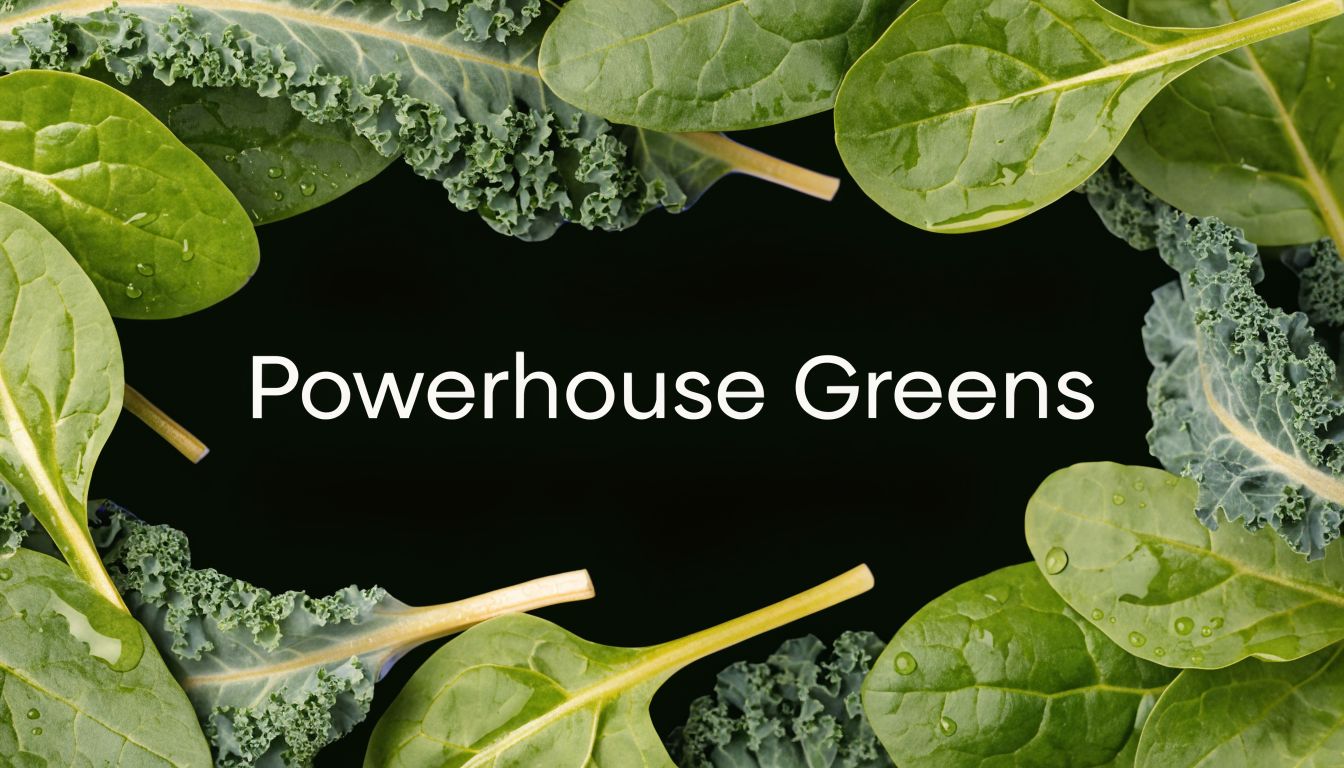
You're in the produce aisle, staring at two bunches of leafy greens and trying to be the kind of person who uses them before they wilt. Spinach feels familiar. Kale looks sturdy and serious. Both have a healthy reputation, but that doesn't answer the question: which one should you buy if you want something that's good for you and easy to turn into a snack?
That's where people often get stuck. Nutrition advice tends to stop at “eat more greens,” which is true but not very helpful when you're hungry at 4 p.m. and want something crunchy. The benefits of spinach and kale become a lot more useful when you know what each one does best, how to prep them in a way you will enjoy, and how cooking methods can make a practical difference.
If you like simple snack ideas and want more ways to use your air fryer, the recipe inspiration on Air Fryer Snack Ideas is a great place to keep handy.
Your Guide to Spinach and Kale
Most people don't need a lecture on leafy greens. They need a decision. If you're trying to support energy, build better snack habits, or add more nutrient-dense foods without making your life harder, spinach and kale are both smart choices.
They're not identical, though. Spinach has a softer texture and a milder flavor, so it disappears easily into eggs, wraps, and warm snacks. Kale is heartier, which makes it especially good for crispy air fryer chips. That difference alone matters if you've ever made soggy greens and sworn off homemade veggie snacks for a month.
A lot of confusion comes from the word “superfood.” It makes it sound like one green must beat the other. In real life, each one has strengths. Spinach shines in a few key minerals and B vitamins. Kale stands out for bone-supportive nutrients and a texture that holds up beautifully in high heat.
The best green is often the one you'll actually wash, cook, and eat this week.
That practical lens matters. Food isn't just about nutrient charts. It's about what fits in your routine, what tastes good, and what helps you snack better without feeling deprived.
The Power of Spinach A Nutrient-Dense Classic
Spinach gets treated like the old reliable option, but it deserves more credit than that. It's one of the easiest greens to use, and it brings a lot to the table nutritionally.

According to this spinach and kale nutrition review, spinach leads in protein, dietary fiber, iron at 2.7mg per cooked cup, magnesium at 5 times more than kale, and zinc at 3 times more, while also containing 66 times more oxalates.
Why spinach helps so many people feel better
Think of spinach as the green you reach for when you want nutritional support for busy days.
Iron helps your body move oxygen where it needs to go. If you're often dragging by late afternoon, iron-rich foods matter because oxygen delivery is part of how your body keeps energy production going.
Folate, also called vitamin B9, helps with cell growth and repair. A simple way to think about folate is that it supports your body's building projects. Your body constantly replaces cells, and nutrients like folate help that process run smoothly.
Magnesium is another quiet workhorse. It supports muscle and nerve function, which is one reason spinach fits so well into an overall balanced diet. If your meals tend to be heavy on convenience foods and light on vegetables, spinach can help fill in some meaningful gaps.
Where spinach has an edge
Spinach works especially well when you want a mild green that won't fight the rest of the meal.
- For soft-textured snacks: It tucks into stuffed mushrooms, egg bites, and savory pastry-style fillings.
- For quick cooking: It wilts fast, so it's useful on rushed weeknights.
- For nutrient density: You can eat a modest serving and still get a strong nutritional return.
Practical rule: If you're new to greens, start with spinach. It's easier to like, easier to cook, and easier to add to foods you already make.
The one caution worth knowing
Spinach's main drawback is its high oxalate content. That sounds intimidating, but it doesn't mean spinach is “bad.” It just means preparation matters. Oxalates can interfere with mineral absorption, and in excessive amounts they may be a concern for people prone to kidney stones.
That's one reason cooked spinach often makes more sense than raw spinach if you eat it often. Later, when we get to air fryer snacks, you'll see why the method matters so much.
Unpacking the Benefits of King Kale
Kale has a stronger personality than spinach. It's firmer, more textured, and slightly bitter in a way that can taste fantastic once it's cooked well. Nutritionally, it earns its reputation.

Per this kale nutrition comparison, one cooked cup of kale provides 349mg of calcium with higher bioavailability than spinach due to its low oxalate content, and a 12-week study found kale juice reduced LDL cholesterol by 15% in hypercholesterolemic men.
Kale's big advantage for bones
Kale's calcium story is what surprises many people. It's not just that kale contains calcium. It's that your body can use more of it because kale is lower in oxalates than spinach.
That's a key distinction. Nutrition labels tell you what's in a food. Bioavailability tells you how much your body can absorb and use. For bone health, that difference matters. If you eat mostly plant foods, kale is one of the most useful greens to keep in rotation.
Kale also brings a lot of vitamin K, which supports normal blood clotting and also plays an important role in bone health. That pairing of calcium plus vitamin K is a big reason kale gets so much attention.
Why kale feels like a “healthier” green to some people
Part of kale's reputation comes from the fact that it's a cruciferous vegetable. That means it contains compounds associated with antioxidant and anticarcinogenic potential. In plain language, kale offers protective plant compounds that add to its appeal beyond basic vitamins and minerals.
Its texture also changes the eating experience. Spinach tends to soften. Kale can become crisp, roasty, and snackable. For people who want healthy snacks that still satisfy a craving for crunch, that's a real advantage.
Here's where kale often fits best:
| Goal | Why kale works well |
|---|---|
| Bone support | It offers calcium your body can absorb more efficiently |
| Crunchy snacks | Its sturdy leaves crisp up well in an air fryer |
| Antioxidant support | It contains vitamin-rich and flavonoid-rich plant compounds |
A simple way to think about kale
If spinach is the flexible all-purpose green, kale is the structured one. It stands up to heat, holds onto texture, and gives you a different nutrient profile that complements spinach well.
That's why the benefits of spinach and kale aren't really about choosing one forever. They solve different problems.
Spinach vs Kale The Head-to-Head Nutritional Showdown
When people compare these greens, they usually want an answer to a practical question: which one should I eat for my goal?
That's a better way to compare them than trying to crown one universal winner.

This side-by-side nutrient comparison of spinach and kale shows that a 100g serving of spinach provides 4 times more iron than kale, while kale provides 4 times more vitamin C and significantly more vitamins A and K. The same comparison notes that vitamin K coverage reaches 411% DV in spinach and 681% in kale per 100g, while spinach nitrates help lower blood pressure and kale juice improves serum lipid profiles.
For iron and energy support
Winner: Spinach
If your meals tend to be low in iron-rich plant foods, spinach has a clear advantage. Iron helps with oxygen transport, which makes it relevant for everyday energy and stamina. Spinach is the stronger pick when that's your focus.
This doesn't mean kale lacks value. It just means spinach brings more to this specific goal.
For bone health
Winner: Kale
Kale takes this category because bone support isn't just about calcium on paper. It's also about how well your body can absorb it. Kale's lower oxalate content gives it an edge here, especially for people who want to rely more on plant foods.
This is one of the most important places where the “spinach vs kale” conversation can be misleading. A nutrient number alone doesn't tell the whole story.
For immune and antioxidant support
Winner: Kale
Kale's vitamin C advantage matters here. Vitamin C supports immune function and also helps with the absorption of non-heme iron from plant foods. Kale also brings strong antioxidant value, which is one reason it's such a popular base for healthy snacks.
For a mild, easy-to-use green
Winner: Spinach
This category isn't a lab metric, but it matters in real kitchens. Spinach is easier for many people to use consistently because it's softer, less bitter, and more adaptable. If you're feeding kids, cooking for picky eaters, or easing yourself into greens, spinach often gets eaten more often.
For heart-friendly eating patterns
This one is a draw.
Spinach contains nitrates associated with lower blood pressure. Kale has been linked with improved serum lipid profiles. They support cardiovascular health in different ways, which is a good reminder that variety beats obsession with a single “best” food.
If your goal changes from day to day, your green can change too. Spinach for iron-focused meals. Kale for bone-supportive crunch.
Quick decision guide
- Choose spinach when you want more iron, more magnesium, and a softer texture.
- Choose kale when you want more vitamin C, more vitamin K, and better calcium availability.
- Choose both when you want the broadest mix of benefits without overthinking every meal.
That last option is usually the smartest one.
How to Eat Spinach and Kale Smartly
Healthy foods sometimes get unfairly blamed because people hear one caution and turn it into a reason to avoid the food entirely. That happens a lot with spinach and kale.
Spinach gets criticized for oxalates. Kale gets questioned over compounds that may matter for thyroid health in some people. For most readers, neither issue is a reason to panic. It's a reason to use a few basic food habits.
Smart ways to handle spinach
The biggest issue with spinach is that oxalates can bind to minerals. For someone who eats huge amounts of raw spinach every day, that's not ideal. For someone who eats spinach as part of a varied diet and cooks it regularly, it's much more manageable.
A simple strategy helps:
- Cook it sometimes: Heat can make spinach easier to work into meals and may reduce some downsides tied to raw intake.
- Rotate your greens: Don't rely on one leaf for every salad, smoothie, and snack.
- Pair thoughtfully: Foods rich in vitamin C can support iron absorption from plant foods.
Smart ways to handle kale
Kale is sturdy and nutritious, but some people with thyroid concerns prefer not to eat large amounts of raw cruciferous vegetables all the time. Cooking is a practical middle ground.
That matters because people often assume “raw” always means “best.” It doesn't. A cooked green you enjoy and digest well is often more useful than a raw one you tolerate poorly.
Cooking can make these greens easier on the body and easier to eat consistently.
The bigger point
Don't let nutrition trivia scare you away from excellent foods. Most problems come from extremes, not from eating a sensible serving of spinach in an egg cup or a batch of kale chips with lunch.
If you want the benefits of spinach and kale without the confusion, keep it simple. Eat both. Vary how you prepare them. Don't build your entire vegetable intake around a single ingredient.
That approach is more realistic, and it usually tastes better too.
Crispy and Healthy Air Fryer Snack Recipes
Leafy greens stop feeling like a nutrition project and start feeling like something you'll crave. Air frying changes the texture completely. Kale turns shatter-crisp. Spinach can become delicate and snacky with the right setup.

According to this air frying comparison for kale and spinach, air frying kale at 180°C for 5 to 7 minutes retains 85 to 92% of antioxidants like lutein and beta-carotene, while boiling can lead to a 70% loss. The same source notes that air frying reduces oxalates in spinach by 30 to 40%.
The ultimate crispy kale chips
Kale is the easier of the two greens to master in an air fryer because it has enough structure to crisp without collapsing instantly.
What to do
- Wash and dry the kale very well.
- Remove the thick stems and tear the leaves into bite-size pieces.
- Toss lightly with oil and your seasoning of choice.
- Air fry at 180°C for 5 to 7 minutes using the method described in the Healthline kale and spinach guide.
- Check early and shake the basket if your air fryer cooks unevenly.
Why this works
Dry leaves crisp better. Too much oil weighs them down. Crowding the basket traps steam, and steam is the enemy of chips.
Good seasoning ideas include:
- Classic savory: Sea salt, garlic powder, black pepper
- Smoky: Smoked paprika and a pinch of chili powder
- Cheesy flavor without cheese: Nutritional yeast and onion powder
Don't season heavily before cooking if your blend contains sugars. Those can burn before the kale crisps.
Surprising spinach crisps
Spinach is trickier because the leaves are thin and light. The payoff is worth it if you want a delicate, crisp snack with spinach's milder flavor.
How to make them work
Use baby spinach if possible. Pat it dry carefully. Coat very lightly with oil, then season. Salt, lemon zest, and a tiny bit of garlic powder work well.
Arrange the leaves in as close to a single layer as possible. You may need to cook in batches. Watch them closely because spinach moves from crisp to scorched fast.
Two common mistakes to avoid
| Mistake | What happens | Better move |
|---|---|---|
| Wet leaves | Greens steam instead of crisp | Dry thoroughly with towels or a spinner |
| Overfilling the basket | Uneven cooking and limp spots | Cook in smaller batches |
Make the snack more useful nutritionally
Practical nutrition beats theory in this context. You can pair these chips with foods that round them out.
Try them with:
- Hummus: Makes the snack more filling
- Greek yogurt dip: Adds creaminess and protein
- A squeeze of lemon on spinach crisps: A bright, fresh finish that also pairs well with spinach's iron content
You can also crumble kale chips over soup, tuck spinach crisps into wraps, or use either one as a crunchy topping for grain bowls. They don't have to stay in the “snack only” lane.
Air frying is especially helpful because it gives you a crispy result without turning greens into oily, heavy chips. That's the sweet spot for busy people. Fast, crunchy, and still clearly made from a vegetable.
Your Green Guide to Healthier Snacking
The benefits of spinach and kale make more sense when you stop asking which one is superior in every possible way. Spinach offers strong support in areas like iron, magnesium, and folate. Kale stands out for calcium availability, vitamin C, and vitamin K.
Those differences are useful. They let you choose based on what you need, what you're cooking, and what texture you want. Some days that means spinach folded into a warm snack. Other days it means a tray of kale chips that satisfies a craving for something crispy.
The air fryer makes both greens easier to enjoy regularly. It helps kale turn crunchy without much effort, and it gives spinach a smarter prep option than another tired salad. That matters because the healthiest food isn't the one with the most hype. It's the one that fits your real life.
If you like trying practical kitchen ideas, you can browse more inspiration in the air fryer snack blog collection.
If you want more easy, realistic ways to turn everyday ingredients into better snacks, visit Air Fryer Snack Ideas. You'll find simple air fryer recipes that make healthy snacking feel doable, not complicated.
